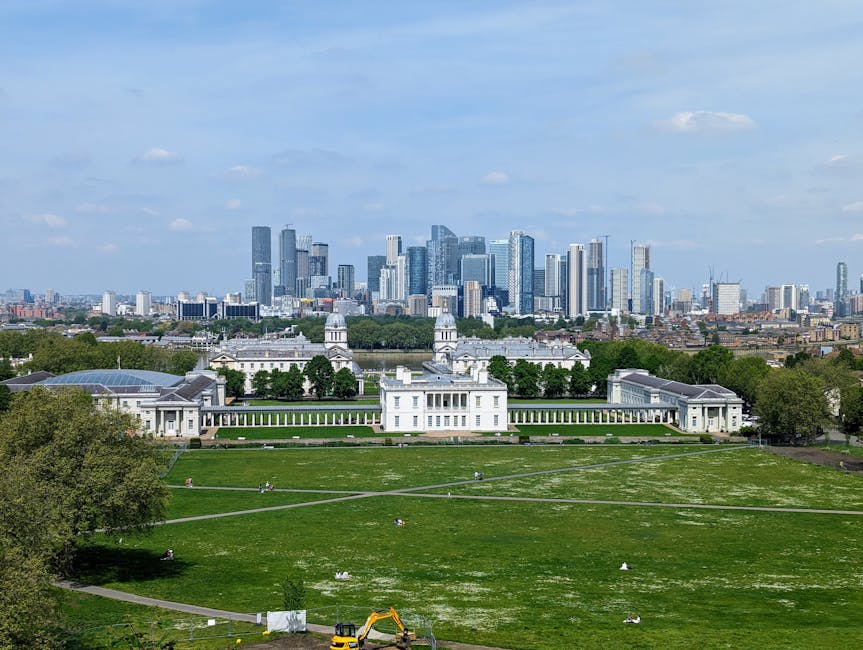
Greenwich Council parking permits for Woolwich movers
Posted on 26/06/2026
Greenwich Council parking permits for Woolwich movers: a practical guide for a smoother moving day
If you are moving in or out of Woolwich, parking can become the bit that throws the whole day off balance. Lorry too far from the front door, neighbours already parked tight along the kerb, and suddenly your carefully timed move turns into a long carry, a stressed crew, and maybe an avoidable penalty. That is where Greenwich Council parking permits for Woolwich movers come in. Used properly, they can make the difference between a calm unload and a chaotic scramble on the pavement.
This guide explains what these permits are, why they matter, how they usually work in practice, and what to watch out for if you are moving around Woolwich, SE18. It also covers the common mistakes people make, how to plan around flats and terrace streets, and a few sensible move-day tips that save time and, frankly, a fair bit of stress.
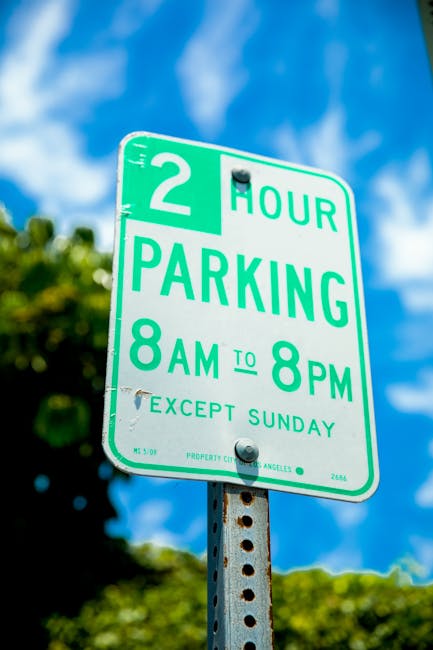
Why Greenwich Council parking permits for Woolwich movers Matters
Moving day is already full of moving parts: boxes, furniture, keys, timings, lift bookings, and that one relative who always wants to "just pop one more thing in the van." Parking is easy to underestimate, but in Woolwich it can be one of the most important logistics decisions you make.
When a van cannot stop close to the property, everything slows down. For a flat move, that can mean long walks through corridors, extra trips across the road, and more handling of heavy items. If you are dealing with a bed frame, a sofa, or a freezer, every extra metre matters. You notice it in your shoulders by lunchtime.
A proper parking permit arrangement can also reduce friction with residents, private enforcement, and time restrictions. That is especially useful in busier residential pockets, near apartment blocks, or streets where parking spaces are scarce before 10 a.m. and gone again by 11. Let's face it, nobody wants to begin the first day in a new home with a parking ticket pinned to the windscreen.
For movers, the real value is control. If you can plan where the van will stop, how long it can stay, and whether cones or dispensation are needed, you are building the move around the property rather than forcing the property to work around the van.
How Greenwich Council parking permits for Woolwich movers Works
The practical idea behind a parking permit is simple: it authorises a vehicle connected with the move to stop in a controlled way without being treated like an ordinary visitor car. In real life, the details depend on the street, the type of bay or restriction, and whether you are dealing with a controlled parking zone, yellow lines, a bay suspension, or a loading-only situation.
It is worth saying plainly: moving jobs are not all handled the same way. Some streets may allow short loading activity without a formal permit, while others need advance permission because the van would otherwise block traffic, occupy a resident bay, or sit in a restricted area. The best approach is to check the local parking rules for the exact address rather than assume the street next door works the same way. It often does not.
For many Woolwich moves, the workflow looks something like this:
- You identify the exact address and nearest parking restrictions.
- You work out whether the van can load safely from the kerb or whether a bay is needed.
- You arrange any permission, dispensation, or temporary suspension that may be required.
- You make sure the moving van, driver details, and timings match what is needed on the day.
- You keep evidence and confirmation to hand in case someone queries the vehicle.
One small but important point: if a move involves a longer stay, a larger vehicle, or difficult access, the parking plan should be tied into the whole removal plan. A parking permit on its own does not solve a stairwell bottleneck or a sofa that will not fit round a sharp landing. For that side of the job, a well-prepared team and the right van make a huge difference. If you are comparing move support, you may also want to look at removals in Woolwich and the wider service overview so the logistics line up cleanly.
Key Benefits and Practical Advantages
The obvious benefit is avoiding a fine or a stressful clash with parking rules. But the bigger gains are often about time and flow. When the van can park close to the property, a move feels less like a relay race and more like a coordinated job.
- Shorter carry distances: fewer steps means less time and less lifting.
- Lower risk of damage: fewer trips through tight halls and across roads.
- Less physical strain: especially useful for awkward items, stairs, and older buildings.
- Better timing: when loading starts on schedule, the whole day stays more manageable.
- Fewer disputes: parking arrangements are easier when everyone knows the plan.
There is also a quieter benefit that people do not always mention: emotional relief. You walk into the day with one fewer unknown. That matters. Moving already feels noisy enough - cardboard rustling, tape tearing, doors opening and shutting, the van reversing with that familiar beep-beep in the background. If the parking is sorted, the rest of the day feels more controllable.
For people moving in busy streets or around estate-style blocks, a permit can also make it easier to coordinate with neighbours and building managers. Nobody likes a van double-parked outside their window for hours. A proper arrangement tends to lower the temperature, which is no bad thing on moving day.
Who This Is For and When It Makes Sense
Parking permits are not just for large removals. They can be useful for small and medium moves too, especially in Woolwich where street space can be tight and access can be a bit awkward. To be fair, the smaller the job, the more likely people are to think parking will "just work itself out." That is usually when it goes slightly sideways.
This is most relevant if you are:
- moving from or into a flat with limited street access
- using a removal van, man and van, or larger vehicle
- loading bulky items like a sofa, wardrobe, mattress, or piano
- moving during busy hours when roadside space disappears quickly
- arranging a same-day move and need everything to run tightly
- working around estate roads, controlled bays, or permit-only streets
It also makes sense if you are moving fragile or specialised items. A piano move, for example, is stressful enough without having to drag an instrument half the length of the street. If that is you, it may help to read this guide to moving a piano safely. The same logic applies to beds, sofas, and other awkward pieces; shorter distances are simply better.
Students, families, office movers, and landlords all face slightly different timing pressure, but the parking principle stays the same. If you have more than a few items or any access issue at all, treat parking as part of the move plan, not an afterthought.
Step-by-Step Guidance
Here is a practical way to handle Greenwich Council parking permits for Woolwich movers without making the process feel like homework.
- Start with the exact address. Not the general street, not the postcode area, but the actual property. The parking restrictions can change quickly from one side of the road to the other.
- Check what the vehicle needs. A small van, a removal van, and a larger lorry can trigger different parking requirements. What works for one may fail for another.
- Work backwards from moving day. If the move is on a Friday, do not leave parking until Thursday evening. Give yourself a buffer in case something needs confirming.
- Confirm timings carefully. A permit or dispensation may only cover a certain window. If the crew arrives late, you can lose the protected time. Annoying, yes, but preventable.
- Prepare the vehicle details. If the arrangement depends on registration numbers, make and model, or company details, have them ready before you call or apply.
- Keep the permission handy. Print it or keep a clean digital copy. On a wet London morning, fiddling about on your phone with gloves on is not ideal.
- Coordinate with the moving team. Make sure your mover knows exactly where to park, where to wait, and which entrance to use.
- Build in a Plan B. Sometimes another car is in the space, or road works appear at the worst possible moment. Have a fallback location or a short list of alternative bays.
If your move involves lots of items, good packing matters as much as parking. The last thing you want is a van parked perfectly but boxes packed badly. If you need a refresher, innovative packing methods for a smoother house move can help tighten that side of the job.
And if you are trying to cut the amount of loading and unloading time, decluttering beforehand is genuinely worth doing. Even a small purge can reduce van trips. A practical starting point is decluttering before moving day - a useful one if your hallway is already looking like a cardboard canyon.
Expert Tips for Better Results
After enough moves, a pattern starts to emerge: the best outcomes usually come from the boring stuff done well. Not glamorous. Just solid planning. Here are the details that tend to matter most.
- Match the vehicle to the street. If access is tight, a smaller vehicle and more efficient stacking can be smarter than one large van that cannot settle close to the property.
- Ask about loading distance, not just parking. A bay on paper is one thing; a bay that leaves a 40-metre carry is another story entirely.
- Think about stairs and corners. If you have heavy items, every extra carry outside the building adds fatigue. The parking decision affects the lifting plan too.
- Keep children and pets out of the loading route. It sounds obvious, but the day gets busy and little details slip. They really do.
- Use the quiet hours wisely. Early morning often gives you better street access, calmer traffic, and less competition for parking.
- Tell neighbours in advance where possible. A simple note or polite conversation can reduce complaints and make the whole day smoother.
If heavy lifting is part of your move, it helps to understand the mechanics of moving rather than just muscling through it. There is useful background in kinetic lifting and safer lifting technique, especially if you are working with bulky household items. It is the kind of thing people ignore right up until their back reminds them otherwise.
For awkward or oversized furniture, a cleaner unloading path matters too. If you are moving a sofa, for example, you may also want to think about how it will be protected once it is off the van and inside. That is where sofa storage and protection tips can be surprisingly useful.
Common Mistakes to Avoid
Parking issues are one of those things people only remember after the fact. Which is a shame, because most errors are avoidable. Here are the ones that crop up again and again.
- Leaving it until the day before. If approval or coordination is needed, last-minute requests are where stress starts.
- Checking the wrong address details. Two nearby properties can have different restrictions. It catches people out constantly.
- Assuming loading is always free. Sometimes it is, sometimes it is not. Never assume.
- Forgetting the vehicle size. A permit or bay may work for one van but not another.
- Not confirming the timing window. If the vehicle arrives outside the allowed period, the paperwork may not help.
- Ignoring access at both ends. Parking at the old place and parking at the new place both matter. People often only plan one side.
Another common issue is trying to save a bit of money by cutting preparation time. Truth be told, that often costs more in effort later. If you want to stay clear of surprise charges, the article on avoiding hidden fees in Woolwich removals is worth a look before you sign off a move.
Also, if the move turns urgent, do not let the parking part become an afterthought. Same-day jobs can work well, but only if the route, parking and lifting plan are tight. There is a helpful overview in what to expect from same-day removals in Woolwich.
Tools, Resources and Recommendations
You do not need a truckload of tech to handle a parking plan, but a few simple tools help keep things under control. The key is using what is practical, not what is trendy.
- Calendar reminders: Set two reminders - one for arrangement day and one for the morning of the move.
- Phone notes: Keep the address, vehicle registration, timing window, and contact details in one place.
- Printed confirmation: Useful if mobile signal is patchy or someone needs to check the details quickly.
- Measuring tape: Handy when checking whether a van can be positioned safely without blocking access.
- Floor plan or rough sketch: A simple drawing of where the vehicle should stop can save a lot of back-and-forth.
It also helps to choose the right moving support. A local man with a van in Woolwich can be ideal for smaller moves or shorter carrying distances, while larger homes or trickier access often need a fuller house removals service. For flats, the best choice is often a team that understands stairs, lifts, and tight communal access, which is why flat removals in Woolwich can be the more sensible fit.
If you need somewhere temporary for items while parking, keys, or completion timing is being sorted, storage in Woolwich can take pressure off the day. And if you are still deciding what type of support you need, the broader removal services in Woolwich page helps frame the options.
Law, Compliance, Standards, or Best Practice
Parking arrangements in London sit within local traffic controls, road safety obligations, and restrictions designed to keep streets moving. You do not need to become a traffic lawyer to move house, but you do need to respect the basics: do not block access, do not park where you are not allowed, and do not treat a loading bay like a personal holding area just because the van is full.
Best practice usually comes down to three things: plan early, match the vehicle to the restriction, and keep evidence of any permission or dispensation. If there is a loading area, use it properly and for the time stated. If the road is narrow, think about access for emergency vehicles and neighbours too. A move should make life easier for everyone on the street, not harder.
There is also a wider duty of care. Safe loading, sensible lifting, and clear communication all reduce the risk of damage and injury. If your team is moving heavy furniture, they should work to recognised safe handling habits. That is why good movers talk as much about route planning and load order as they do about the van itself.
In practical terms, compliance is not about being perfect. It is about being prepared enough that you do not become the cause of a traffic headache on a narrow Woolwich road at 8:15 on a weekday morning. Nobody needs that kind of drama, honestly.
Options, Methods, or Comparison Table
Different moves call for different parking approaches. Here is a simple comparison to help you think it through.
| Option | Best for | Strengths | Limitations |
|---|---|---|---|
| Informal loading plan | Very small moves with easy access | Quick, low admin, fine if space is easy to find | Riskier in busier streets and less predictable |
| Parking permit / dispensation | Standard home moves in restricted streets | More certainty, better for vans close to the property | Needs planning and may depend on timings or vehicle details |
| Bay suspension or reserved space | Moves needing guaranteed access | Excellent for keeping the loading area clear | Often needs more lead time and careful coordination |
| Off-peak move with short carry | Flexible movers in quieter streets | Can be efficient if timing and access are both favourable | Still vulnerable to parked cars, road works, or neighbour traffic |
In many Woolwich situations, a structured permit-based approach is the safest middle ground. It is not always the quickest on paper, but it often saves time overall because the actual loading goes faster. That is the bit people forget.
Case Study or Real-World Example
Consider a typical flat move in SE18. A couple are moving from a second-floor apartment with a lift that is already booked for a narrow window. They have a sofa, a mattress, several boxes of kitchenware, and a heavy chest of drawers. Parking outside the building is limited, and the surrounding streets fill early.
Instead of hoping for the best, they plan the parking first. They identify the closest suitable loading point, confirm the vehicle size, and arrange the move for an earlier time slot. On the day, the van parks close enough that the crew can move items in short, efficient runs. No long carries, no unnecessary waiting, no frantic reshuffling because someone else nipped into the spot.
That move still had the usual moments - a missing lamp shade, a box labelled "misc" that turned out to contain three kettles and a pasta machine, which is very London somehow - but the parking side stayed calm. The result was less wear and tear on the team and far less stress for the people moving.
Now compare that with a move where the van has to park several doors away. Same furniture, same floor level, same general plan. The difference is time, fatigue, and patience. It is not dramatic, but it is real. And on moving day, real is enough.
Practical Checklist
Use this checklist a day or two before the move. It keeps the parking side tidy and saves those last-minute panic calls.
- Confirm the exact moving address and postcode.
- Check the street restrictions for both the old and new property.
- Note the type and size of the vehicle being used.
- Confirm whether a permit, dispensation, or reserved bay is needed.
- Keep the approved timing window in your calendar.
- Share parking instructions with the mover or van driver.
- Check whether lift access or building rules affect loading times.
- Have a backup parking spot in mind nearby.
- Keep permission details easily accessible on the day.
- Build in a little extra time for street congestion or surprise obstacles.
If the move is big enough that you are also trying to reduce packing chaos, it may help to combine this with better prep at the item level. For example, this step-by-step guide to moving a bed and mattress can be useful when you are planning the load order. And if you are moving a freezer, timing and storage matter there too; see how to store a freezer when it is not in use.
Get a free quote today and see how much you can save.
Conclusion
Greenwich Council parking permits for Woolwich movers are not the flashiest part of relocation planning, but they are one of the most valuable. Sort parking properly and the move becomes easier to manage, safer to carry out, and far less likely to run into preventable delays. Leave it vague, and the day can unravel in small, annoying ways.
The good news is that parking is manageable when you break it into clear steps: check the address, confirm the vehicle, arrange the right permission, and keep the move team fully briefed. Once that is done, the rest of the day has room to breathe. A little less rushing, a little more control.
And if nothing else, you will thank yourself when the last box comes off the van and the street has not turned into a minor parking dispute. That quiet relief, when it comes, is worth planning for.