Plumstead Road, Woolwich: Removals Tips for Locals
Posted on 06/05/2026
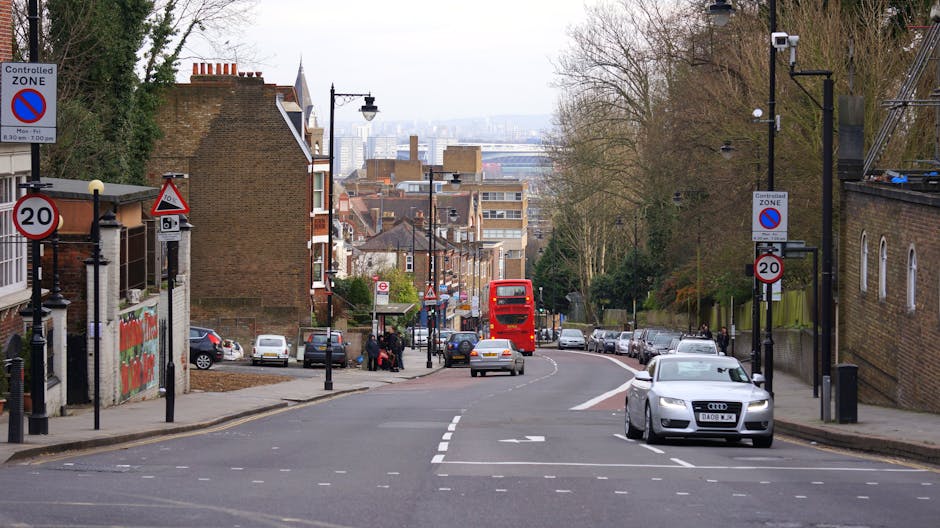
Moving home near Plumstead Road in Woolwich sounds straightforward on paper. Then the boxes appear, the hallway feels tighter than you remembered, and that one wardrobe somehow looks twice its actual size. If you are planning a move in this part of southeast London, a little local know-how goes a long way. These Plumstead Road, Woolwich: Removals Tips for Locals are designed to help you move with less stress, fewer surprises, and a lot more control.
Whether you are leaving a flat off the high street, shifting into a terraced house nearby, or helping a student move between rentals, the basics stay the same: plan early, pack well, protect the awkward items, and make the moving day feel calm rather than chaotic. Truth be told, that last part matters more than people think.
This guide walks you through the local considerations, the practical steps, and the small decisions that often make the biggest difference. You will also find helpful links to related services and guides, including packing and boxes in Woolwich, house removals in Woolwich, and man with a van support in Woolwich if you want to compare your options while you plan.
Why Plumstead Road, Woolwich: Removals Tips for Locals Matters
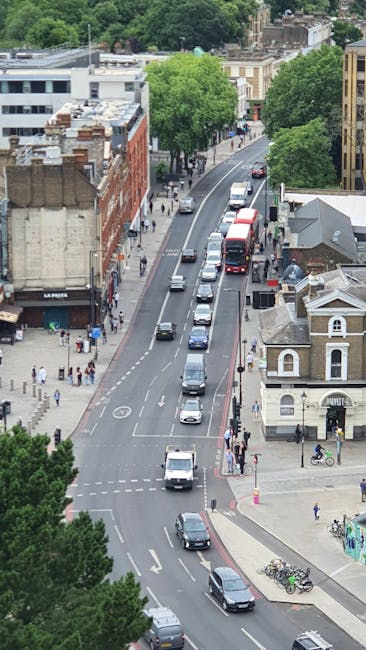
Plumstead Road sits in a busy part of Woolwich where local traffic, parking limits, flat layouts, and narrow access points can all influence how smoothly a move goes. That is why generic moving advice only gets you halfway there. A move in this area is rarely just about carrying boxes from A to B. It is about timing, access, building type, and keeping the day moving without unnecessary delays.
Local removals tips matter because the environment shapes the job. A terrace with limited front access is very different from a top-floor flat with a tight stairwell. A weekday move during school-run traffic is not the same as a quieter mid-morning slot. And if you have to work around neighbours, shared entrances, or loading restrictions, the little things become the big things.
For many people, the goal is not simply to move. It is to move without damaging furniture, upsetting the building, or spending the entire day chasing loose ends. That is where careful local planning helps. If you are moving a few bulky pieces, a full household, or an office setup, you will also want to consider the right service type. The removal services available in Woolwich can vary quite a bit, so choosing the right fit is part of the job.
There is also a trust angle here. People want to know their belongings are being handled properly, their move is insured, and the team knows the area well enough to avoid unnecessary issues. That matters, especially when you are moving items that are awkward, expensive, sentimental, or all three at once.
How Plumstead Road, Woolwich: Removals Tips for Locals Works
At its core, a well-run local removal follows a simple pattern: assess, prepare, pack, load, transport, unload, and settle. But in practice, each stage has a few local wrinkles. The best approach is to think about the move in terms of access, time, and load shape.
Access means whether the vehicle can park close enough, whether there are steps or lifts involved, and whether larger items can pass through doors and stairways without drama. Time means choosing the right slot so you are not stuck in the middle of traffic or competing for space outside your property. Load shape is just a simple way of saying: what is actually going on the van, and in what order?
If you have not moved in a while, it can help to think like a removal crew. What needs to come out first? What should stay in one piece? What needs dismantling? A bed frame, sofa, and wardrobe all need different handling. For example, a mattress benefits from proper wrapping, while fragile table legs need padding and secure bundling. If that sounds like a lot, it is. But once you break it down, it becomes manageable.
Local moves in Woolwich often work best when the person moving and the removal provider share the same understanding of the route and the access constraints. If you are using a smaller vehicle for a lighter load, a man and van service in Woolwich may be enough. For bigger homes or more complex moves, a dedicated removal van or full-service approach may suit you better.
Key Benefits and Practical Advantages
A good moving plan does more than reduce stress. It protects your belongings, saves time, and usually saves money too. That last bit often gets missed. People assume planning is just a nice extra, but in removal work it can directly affect how many trips are needed, how long loading takes, and whether fragile items survive the journey untouched.
Here are the main practical advantages:
- Less lifting pressure: Proper planning reduces the number of times items are picked up, turned, and carried.
- Faster loading: Boxes and furniture that are packed and grouped sensibly go on the vehicle in less time.
- Lower risk of damage: Wrapped corners, labelled boxes, and dismantled furniture are easier to protect.
- Better local timing: A move planned around road conditions and parking realities tends to run more smoothly.
- Cleaner handover: You are more likely to leave the old property tidy and arrive at the new one ready to unpack.
There is also the emotional benefit, which sounds soft but really is not. When the day feels under control, everything else settles down. You are less likely to lose keys, forget a charger, or discover at 8:40 pm that the kettle is buried under winter coats. A calm move is a better move. Simple as that.
If you are still at the deciding stage, reading about how to enjoy a less stressful house move can help you see what a smoother process looks like in real terms.
Who This Is For and When It Makes Sense
This advice is useful for anyone moving on or near Plumstead Road, but some groups will feel the benefit more than others.
Homeowners often need help with bulky furniture, appliances, and larger volumes of boxes. A full house move may also involve delicate items, storage decisions, and cleaning at both ends. If that sounds familiar, a house removals service in Woolwich is usually the most relevant route.
Flat movers need to think carefully about stairs, communal areas, lifts, and noise. A late start can also be awkward if neighbours are in and out. For that reason, flat removals in Woolwich often call for tighter planning and more precise packing.
Students usually want speed, flexibility, and a fair price. They often have fewer belongings, but those belongings can still be awkward: monitors, suitcases, desks, bikes, or a mattress that refuses to behave. In those situations, student removals in Woolwich can be a practical fit.
Office movers need a different kind of discipline. Files, screens, chairs, and equipment should be labelled clearly, and downtime needs to be kept low. If you are shifting a workspace, office removals in Woolwich are worth considering early rather than leaving until the last minute.
Anyone dealing with large, delicate, or awkward items will also benefit from specialist support. Think pianos, sofas, freezers, beds, or heavy wardrobes. These are the items that turn a good move into a fiddly one. To be fair, they are usually the reason people call in help in the first place.
Step-by-Step Guidance
Here is a practical sequence you can follow if you want your move to feel organised rather than improvised.
1. Start with a room-by-room sort
Walk through each room and decide what is moving, what is being donated, what is being recycled, and what needs to go into storage. This prevents you from paying to move items you no longer want. It also reduces clutter on the day, which is a quiet blessing when the hallway is already busy.
2. Measure the awkward items before moving day
Measure sofas, beds, wardrobes, and appliances, and compare them to doorways, stair turns, and lift sizes. People often forget this step. Then on moving day they end up rotating a sofa at a strange angle while someone mutters about the bannister. Not ideal.
If you have a large sofa to store or move, this guide on sofa storage and handling can help you think ahead.
3. Pack by priority, not by random convenience
Pack essentials separately, label every box clearly, and keep important items together. That means documents, chargers, toiletries, snacks, and the first-night bedding should be easy to reach. If you pack everything into a single mountain of cardboard, you will regret it by evening. Guaranteed, or close enough.
For a more structured approach, take a look at practical packing methods for an easier house move and packing and boxes in Woolwich.
4. Dismantle furniture only when necessary
Not every item needs to be taken apart, but beds, some wardrobes, and larger tables often move more safely when dismantled. Keep screws, bolts, and fittings in labelled bags taped to the relevant piece or stored in a clearly marked box.
If your bed and mattress are part of the move, this step-by-step guide to moving a bed and mattress is a useful companion.
5. Protect fragile and high-value items
Use bubble wrap, sturdy boxes, soft blankets, and internal padding where needed. Glassware, mirrors, artwork, and electronics should never be left to bounce around with random loose items. It sounds obvious, but people still do it, usually because they are rushing.
6. Prepare the route and parking situation
Check where the vehicle can stop, whether the path to the entrance is clear, and whether neighbours need warning. In a place like Plumstead Road, that can make a noticeable difference. A clear route means fewer stops, fewer awkward lifts, and less chance of one person carrying more than they should.
7. Plan the final clean and handover
Once the property is empty, it is much easier to clean thoroughly. A good end-of-tenancy clean or pre-sale clean can save headaches later. For a detailed approach, see how to execute a proper house clean before relocation.
8. Set up the new place in zones
Do not try to unpack the entire home in one burst. Start with the kitchen, then the bedroom, then the everyday essentials. That way, the new place feels liveable quickly, rather than like a warehouse with opinions.
Expert Tips for Better Results
These are the kinds of details that experienced movers tend to notice fast.
- Keep one essentials box per person. It cuts morning chaos the next day.
- Use colour labels by room. It is quicker than reading every box in a pile.
- Wrap corners before the main body. Corners take the hits first.
- Photograph cable setups. Your future self will thank you when reconnecting the TV, printer, or router.
- Load heavy items low and balanced. That is basic good practice and helps keep the vehicle stable.
- Do not leave fragile items for last. They are already tired by then, if that makes sense.
One more thing: if you are moving a heavy piece on your own, use proper technique, not enthusiasm. Enthusiasm is not a lifting method. You can read more about safer moving posture and handling in guidance on kinetic lifting and practical techniques for lifting alone.
And if the job includes a piano, do not treat it like a regular box with legs. It is not. See piano removals in Woolwich and the related guide on moving a piano safely and expertly.

Common Mistakes to Avoid
Most moving problems are not dramatic disasters. They are small planning mistakes that compound. Here are the ones locals most often run into.
- Leaving packing too late: That is the fastest way to create stress and broken items.
- Underestimating access: A van that cannot park close enough can turn a short move into a long one.
- Ignoring weather: Rain is a very real part of life in London. Wrap accordingly.
- Not labelling boxes properly: You should not have to guess where the kettle is at 11 pm.
- Overfilling boxes: A box full of books should not weigh like a concrete slab.
- Forgetting storage needs: If there is a gap between moving out and moving in, plan storage in advance.
A surprisingly common issue is trying to move everything yourself because you think it will be simpler. Sometimes it is, but often it just pushes the strain onto your back, your schedule, and your patience. If you need temporary space, storage in Woolwich can help bridge the gap without forcing rushed decisions.
Another easy-to-miss mistake: failing to declutter before packing. It sounds basic, but the less you move, the easier everything becomes. A smart starting point is decluttering before moving day.
Tools, Resources and Recommendations
You do not need a warehouse of equipment to move well, but a few tools make a huge difference. Here is what tends to help most:
- Strong double-walled boxes: especially for books, kitchenware, and heavier household goods.
- Packing tape and dispensers: saves time and stops boxes splitting open.
- Furniture blankets: ideal for protecting corners and large surfaces.
- Mattress covers: useful for keeping bedding clean during transport.
- Labels and markers: make box sorting easier at the other end.
- Tools for disassembly: screwdrivers, hex keys, and small zip bags for fittings.
- Gloves and sturdy shoes: basic, but very worth it.
If you are comparing service options, you may want to start with the services overview and then check removals in Woolwich for a broader look at what can be arranged. For lighter jobs or shorter-distance transport, man with a van support may be enough; for larger homes, full removal company support can be more suitable.
If you are moving on a tight timetable, it can also help to review same-day removals in Woolwich before deciding whether a quick turnaround is realistic.
Law, Compliance, Standards, or Best Practice
Moving home is not usually a heavily regulated process for the customer, but there are still sensible standards and responsibilities to keep in mind. The main one is safety. Items should be handled in a way that reduces the risk of injury or damage, especially with heavy furniture, stairs, and tight hallways. Good removal practice is built around careful lifting, clear communication, and proper protection of both property and people.
If you are hiring help, it is wise to check practical matters such as insurance cover, payment security, and how complaints are handled if something goes wrong. Those are not exciting details, but they matter. A professional provider should be transparent about what is included, how belongings are protected, and what the process looks like if you need support after the move. You can review insurance and safety information, payment and security details, and the complaints procedure for a clearer picture.
It is also sensible to pay attention to environmental good practice. Reusing boxes, recycling packing materials, and donating unwanted items where possible are all sensible steps. For a more detailed look at responsible disposal and reuse, see recycling and sustainability. If you have accessibility needs or specific route concerns, the accessibility statement may also be useful.
One final point: make sure any booking terms are clear. Dates, access assumptions, item lists, and service scope should all be understood before moving day. If there is any doubt, ask. Better to sort it out early than to have a muddle on the doorstep.
Options, Methods, or Comparison Table
Different moves call for different levels of support. Here is a simple comparison to help you choose the right approach for a Plumstead Road move.
| Option | Best for | Advantages | Watch-outs |
|---|---|---|---|
| DIY move | Very small loads, short distances, few bulky items | Most control, useful if you already have transport | High effort, more risk of damage, can take longer than expected |
| Man and van | Small to medium moves, student moves, light house moves | Flexible, practical, often efficient for local jobs | May be less suitable for very large homes or heavy specialist items |
| Full removal service | Larger homes, family moves, complex access, furniture-heavy jobs | More support, less lifting pressure, easier coordination | Usually needs more planning and a fuller booking conversation |
| Storage plus removals | Moves with timing gaps, renovations, downsizing | Flexibility and breathing space | Requires careful labelling and planning so items stay organised |
There is no single perfect option for everyone. The right choice depends on volume, access, time pressure, and how much lifting you want to handle yourself. If you are unsure, a good first step is usually a short conversation about the item list and property layout. That alone clears up a lot.
Case Study or Real-World Example
Here is a realistic local scenario. A couple moving from a first-floor flat near Plumstead Road had a sofa, a bed frame, a washing machine, several boxes of books, and a small freezer. Nothing outrageous. But the building had narrow stairs, limited parking, and a tight window for access before the afternoon got busy.
They started by measuring the larger items the week before. Sensible move. The sofa turned out to be the item that needed the most care, so they wrapped it properly and cleared a route from the living room to the door. The bed was dismantled in advance, and the freezer was emptied and defrosted before moving day. That last bit saved a lot of faff because, lets face it, a dripping freezer is nobody's idea of fun.
On moving day, the boxes were labelled by room, the smallest items were carried first, and the van was loaded with the heavier pieces low and secure. The result was not magical, just well organised. The move still took effort, of course, but it avoided the usual little disasters: no panicked searching for screws, no blocked corridor, no rushed decision about whether the sofa would fit around the corner.
If the freezer angle sounds familiar, this guide on storing a freezer when it is not in use is worth a look, especially if your move involves temporary storage or a delayed setup.
The main takeaway? A local move becomes much easier when the awkward bits are dealt with before the van arrives. Quiet prep. That is the trick.
Practical Checklist
Use this checklist in the final few days before moving.
- Confirm moving date, arrival time, and access details.
- Check parking or loading space near both properties.
- Measure large furniture and doorways.
- Pack an essentials box for the first night.
- Label all boxes by room and priority.
- Protect fragile items with padding and sturdy boxes.
- Dismantle furniture that will not move safely intact.
- Empty, defrost, and secure appliances if needed.
- Keep documents, keys, phones, and chargers accessible.
- Set aside cleaning supplies for the final sweep.
- Check whether storage is needed between addresses.
- Review insurance, payment, and booking terms before the day.
Expert summary: The best local moves are rarely the ones with the most muscle. They are the ones with the clearest plan, the cleanest packing, and the fewest last-minute surprises.
Conclusion
Moving on or around Plumstead Road in Woolwich does not have to feel like a sprint through cardboard chaos. With the right preparation, the right packing approach, and a realistic plan for access and timing, you can make the whole process far more manageable. A local move rewards people who think a step ahead.
Start early, keep the route clear, look after the heavy and delicate items properly, and choose the level of support that matches the job. Whether you need a simple van and driver, a more complete household move, or extra help with packing and storage, the key is to match the service to the reality of the move, not the fantasy version of it.
If you want a smoother move, a cleaner handover, and less of that end-of-day "where on earth is the cutlery?" moment, use the guidance above as your baseline. Little by little, it all adds up. And that makes a proper difference.
Get a free quote today and see how much you can save.