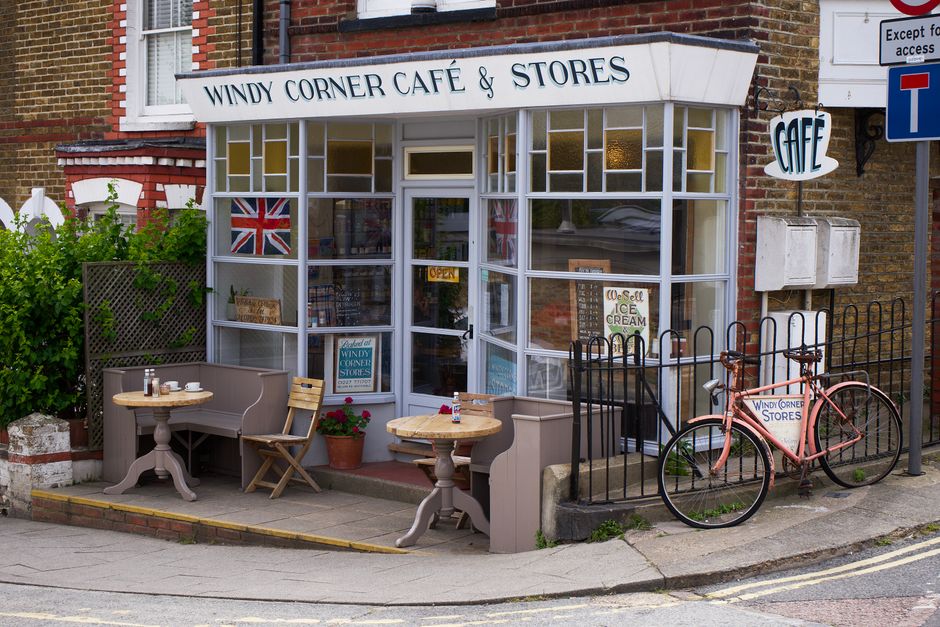
Commercial removals for Woolwich shops and cafes

Moving a shop or cafe is rarely just a "pick up the boxes and go" job. There are tills, fridges, coffee machines, stock, menu boards, seating, displays, and usually a very tight window to get it all done. With Commercial removals for Woolwich shops and cafes, the goal is simple: protect the business, reduce downtime, and make the move feel controlled rather than chaotic. That matters even more in Woolwich, where traders often have to work around busy streets, limited parking, and the real-world pressure of reopening quickly.
This guide walks through how commercial removals work, what to expect, the mistakes that catch people out, and the practical steps that make the whole thing easier. If you are weighing up a full shop move, a cafe refit, or a staged relocation, this should help you make better decisions without the usual noise.
Why Commercial removals for Woolwich shops and cafes Matters
A commercial move is not the same as a house move. Shops and cafes have to keep customers, stock, and equipment in mind at every stage. A one-hour delay can affect trading, staff shifts, deliveries, and even the day's takings. Truth be told, the real cost of a move is often not the van fare. It is the lost time, the damaged equipment, and the opening date that slips by a day or two.
For Woolwich businesses, the location adds another layer. Town centre access, loading space, busier periods around the high street, and the simple fact that some premises are awkwardly laid out all matter. Narrow staircases, shared entrances, and fragile front-of-house items can slow everything down if there is no plan. That is why commercial removals are about sequencing as much as lifting.
There is also the customer experience to think about. A cafe that reopens late with half-unpacked stock and nowhere to store perishables can feel disorganised straight away. A retail shop that has its fixtures installed in the wrong order can lose a whole trading day. You want the move to feel calm, even if the morning itself is a bit hectic. Let's face it, they often are.
If you are comparing providers, it helps to look beyond the van on the driveway and check whether the business understands commercial moves in a wider sense, including planning, timing, and item protection. For larger premises or more layered setups, office removals can also be relevant, especially where back-office equipment and admin files need a separate handling plan.
How Commercial removals for Woolwich shops and cafes Works
A good commercial removal usually follows a clear sequence. The exact details change depending on the size of the premises, but the logic is similar whether you are moving a small coffee shop or a retail unit with storage upstairs.
First comes the assessment. This is where the mover looks at access, item volume, fragile stock, heavy equipment, and any awkward routes. A cafe with commercial coffee kit and chilled storage needs a very different approach from a boutique with rails, mirrors, and shelving. Then the move is planned around opening hours, staff availability, and loading constraints. That part sounds obvious, but it is where many projects succeed or stumble.
Next is packing and preparation. Stock may be boxed and labelled by zone, shelf, or product category. Small fittings are bagged and marked. Breakables are wrapped carefully. Machines may need to be disconnected safely and made ready for transit. In some cases, a provider may suggest using packing and unpacking services so the team can focus on trading, not tape and labels. Handy, really.
On moving day, the team loads items in a practical order. Heavy items first, fragile items secured, and anything urgent kept accessible. For smaller jobs, a man with van arrangement may be enough. For bigger shop fittings or mixed loads, a larger vehicle such as a moving van or moving truck might be better suited. Once on site, unloading needs to follow the reverse logic: essentials first, trading items next, decorative finishing touches last.
If you want a broader overview of service levels, it can help to read about a removal company and the range of removal services that may sit around a commercial relocation. Not every move needs the same level of support, and that is perfectly fine.
Key Benefits and Practical Advantages
The obvious benefit is less disruption. But there is a bit more to it than that. A well-run commercial move protects stock, reduces damage risk, and helps staff settle faster in the new space.
- Lower downtime: A clearer plan means your business can reopen sooner, or at least in a more orderly way.
- Better item protection: Glassware, fridges, cake stands, signage, and POS equipment all travel more safely when packed properly.
- Less staff stress: If the mover handles the lifting, your team can focus on customer service and final setup.
- Cleaner handover: A shop or cafe can be cleared in a way that makes lease end dates and keys handback simpler.
- Improved sequencing: The right items arrive first, which helps with reopening order and stock placement.
There is also a softer advantage that people sometimes miss: confidence. When the move is structured, staff tend to stay calmer, managers make fewer rushed decisions, and the whole thing feels more manageable. That calm is useful. Especially at 7:30 in the morning with a delivery outside and the espresso machine still not where it should be.
Businesses that want an even clearer relocation structure often benefit from dedicated office relocation services alongside the physical move, particularly if admin, devices, and record storage need a careful transition.
Who This Is For and When It Makes Sense
This kind of move makes sense for independent traders, multi-site businesses, and anyone relocating customer-facing premises in or around Woolwich. It is especially useful when the move involves more than a few boxes and a couple of chairs.
Typical examples include:
- cafes moving to a larger unit or a better-footfall location;
- shops changing unit size after a lease end or expansion;
- hospitality businesses moving furniture, fridges, and display equipment;
- pop-up retailers shifting stock between sites;
- businesses carrying out a refit or staged opening;
- operators who need an evening or early-morning move to avoid trade disruption.
It can also make sense when you do not want to overload staff with heavy lifting. A cafe team is there to serve customers, not wrestle with shelving, and to be fair that is how it should stay. If your move includes bulky seating or surplus fixtures, you might also need a separate furniture pick up service for unwanted items that are being removed rather than relocated.
If you are not sure whether a full commercial relocation is too much or just right, ask yourself two things: will trading be affected if this goes wrong, and are there items that need specialist handling? If the answer to either is yes, a proper removals plan is worth it.
Step-by-Step Guidance
- Take inventory early. List furniture, stock, appliances, signage, paperwork, and anything fragile. Use simple categories. No need to be fancy.
- Map the old and new spaces. Measure doorways, stairs, lifts, access points, and any low ceilings or tight turns. The tape measure is your friend here.
- Set a move window. Decide whether the move happens after closing, before opening, or over a full day. For many cafes, the best window is quiet time with fewer customers around.
- Separate "must open first" items. Put tills, card readers, key stock, cleaning supplies, and signage into priority loads.
- Label by zone. Front of house, back room, kitchen, store cupboard, display shelves. Clear labels save hours later.
- Protect fragile and hygienic items. Wrap glass, seal food-contact items properly, and keep packaging clean.
- Arrange vehicle size and loading help. A small local job may suit a man and van option, while larger loads may need more capacity. If the job is substantial, compare options like removal van or removal truck hire.
- Confirm who is doing what on the day. One person should lead at the old site, one at the new site. Otherwise, small decisions get lost.
- Do a final walk-through. Check cupboards, storage rooms, under counters, and behind counters. You would be surprised what gets left behind. Really.
- Reopen in phases if needed. For some businesses, a soft opening is wiser than trying to make everything perfect in one go.
If the job involves multiple stops, heavy fixtures, or mixed commercial and domestic items, it is worth speaking with removal companies that can handle awkward logistics rather than just straightforward transport.
Expert Tips for Better Results
Here is where the practical experience matters. A move can be perfectly planned and still feel messy if a few small things are overlooked.
- Pack the till area separately. Keep cash handling items, cards, receipts, and plugs in one clearly marked box.
- Photograph set-ups before dismantling. This helps with reassembly of shelves, menu boards, display units, and equipment layouts.
- Keep cleaning supplies accessible. A quick wipe-down at the new site saves time and gives a much better first impression.
- Use one colour or one label system. Too many label styles become a puzzle nobody asked for.
- Move in the right order. Essentials first, then customer-facing items, then decorative pieces.
- Plan for the weather. A wet Woolwich morning can make steps, pavements, and loading areas awkward. Dry mats and clear access help more than people expect.
One small but useful habit: keep a single "day-one" tote bag with keys, phone chargers, insurance papers, change floats, and contact details. It sounds almost too simple, but it can save you from that sinking feeling of opening six boxes just to find one cable.
If you have removed bulky items before or you already know your business has a mix of reusable and disposal pieces, checking recycling and sustainability guidance can help you separate what is being moved from what should be responsibly cleared.
Common Mistakes to Avoid
Most problems in commercial removals come from underestimating the move. Not the van. The move.
- Leaving planning too late: A last-minute move often means poor packing, rushed decisions, and unnecessary damage.
- Not measuring access: A sofa-sized display unit or commercial fridge that fits on paper may not fit around a corner. Annoying, but common.
- Mixing stock with waste: When items are not sorted properly, unpacking takes far longer and losses are harder to track.
- Ignoring trade timing: Moving during peak hours or delivery windows creates avoidable friction.
- Forgetting utility and equipment handover: The move is not just transport. Connections, testing, and setup matter too.
- Choosing a vehicle that is too small: Multiple trips are fine in theory. In practice, they often create delays you could have avoided.
Another mistake? Assuming every removals provider understands cafes and shops just because they move items. A kettle and a commercial coffee machine are not the same proposition. Neither are boxed T-shirts and chilled stock. It sounds obvious, yet people still get caught out.
Tools, Resources and Recommendations
You do not need specialist project software to move a small shop well. A few simple tools go a long way.
- Inventory sheet: Even a basic spreadsheet or printed list is enough for most businesses.
- Labels and marker pens: Use big, readable labels. Tiny handwriting is a curse during unpacking.
- Bubble wrap and sturdy boxes: Best for glass, ceramics, and delicate point-of-sale items.
- Furniture blankets and straps: Useful for counters, chairs, and display fixtures.
- Zip bags for fixings: Screws, bolts, brackets, and shelf clips should never float around loose.
- Contact list: Keep the mover, site contact, landlord, electrician, and key staff in one place.
When comparing providers, it helps to understand the difference between a simple transport option and a more structured move. Movers may be ideal for straightforward carrying and loading, while a more complex business move may benefit from a company offering a broader mix of support. If you are weighing up vehicle-based options, removal van and removal truck hire can suit different load sizes and access needs.
For many smaller traders, a familiar local setup such as man with a van is enough. For larger or more sensitive moves, however, having a little more structure is worth the extra thought. Usually, anyway.
Law, Compliance, Standards, or Best Practice
Commercial removals can touch on safety, insurance, manual handling, waste disposal, and workplace responsibilities. The exact legal duties depend on the business, the items being moved, and how the move is carried out, so it is wise to treat this area carefully rather than casually.
At a practical level, businesses should think about:
- Manual handling: Heavy items should be lifted and moved in a way that reduces strain and injury risk.
- Insurance: Check what is covered in transit, loading, unloading, and temporary storage, if any.
- Health and safety: Keep walkways clear, protect customers and staff, and make sure access routes are not blocked.
- Food hygiene and cleanliness: Cafes especially need to keep clean equipment and food-contact items separate from waste and dirty packaging.
- Waste handling: If old fixtures, packaging, or unwanted furniture are removed, they should be dealt with responsibly.
It is sensible to review a mover's health and safety policy and insurance and safety information before booking. That does not mean you need to become a compliance expert overnight. It just means you are asking sensible questions before your stock, fixtures, and cash desk are in a van somewhere. Fair enough, right?
If you want a better picture of how a provider handles expectations and customer care, their terms and conditions and complaints procedure can also be useful reading. Not glamorous. Useful, though.
Options, Methods, and Comparison Table
There is more than one way to move a shop or cafe. The right choice depends on the size of the premises, the type of items involved, and how much help you want on the day.
| Option | Best for | Strengths | Watch-outs |
|---|---|---|---|
| Man and van | Small shops, light cafe moves, short local trips | Flexible, usually quick, often cost-effective | May not suit heavy equipment or large fixture loads |
| Removal van | Moderate-sized commercial loads | More capacity, better for mixed items | Requires careful packing and scheduling |
| Removal truck hire | Larger premises, full refits, bulky furniture | High capacity, fewer trips | Needs good access and clear loading space |
| Full commercial move support | Busy shops, cafes, multi-stage relocations | More structured, less stress, better coordination | May cost more, but can save time and damage |
For many Woolwich businesses, the best solution sits somewhere in the middle. Not too small, not overcomplicated. Just enough support to keep the move smooth without paying for things you do not need.
Case Study or Real-World Example
Picture a small cafe moving from one Woolwich street to another a few minutes away. The owners have a coffee machine, grinder, under-counter fridge, ten chairs, a couple of tables, display shelving, stock boxes, and a till system. Nothing outrageous, but enough to cause trouble if it is handled casually.
They start by separating the service kit from the storage kit. The espresso machine is wrapped, the chairs are stacked safely, the stock is boxed by category, and the till equipment is packed as a single priority load. The team decides to move after closing time, which means they avoid a mid-service panic and keep customers out of the way. Sensible, really.
On the day, the mover checks access, confirms the loading route, and keeps the order clear: equipment first, stock second, furniture third, decorative items last. The new site is ready with cleaning supplies, labels, and a simple floor plan. By the next morning, the cafe is not fully "finished" - let's be honest, few moves are - but it is open, functional, and calm enough to trade. That calm is the win.
That sort of result comes from planning, not luck. And usually from not pretending a commercial move is just a few boxes with a bit of tape.
Practical Checklist
Use this checklist before your move date. It is basic, but basic is exactly what saves time.
- Confirm the move date, access times, and any landlord or building restrictions.
- Measure doorways, corridors, stairs, and lift access at both properties.
- Sort stock, equipment, furniture, and waste into separate groups.
- Label boxes clearly by room, zone, or function.
- Set aside priority items for the first hour at the new site.
- Back up any digital files or till data before unplugging equipment.
- Photograph key layouts and equipment setups.
- Prepare cleaning materials for both sites.
- Check insurance cover and mover responsibilities.
- Keep one person in charge at each location on moving day.
- Do a final sweep of storage rooms, cupboards, and under counters.
- Plan how old furniture or unused stock will be disposed of or reused.
For businesses with a lot of leftover stock, mixed fixtures, or old items to clear, it may also help to review removal services more broadly, especially if you need a balance of transport, lifting, and clearance support.
Get a free quote today and see how much you can save.
Conclusion
Commercial removals for Woolwich shops and cafes are all about protecting trade, keeping the move efficient, and avoiding the little disasters that can become big ones. If you plan carefully, label properly, choose the right vehicle, and think through access and timing, the move becomes much more manageable. Not effortless - that would be nice, but rare - yet manageable.
The best moves feel almost boring on the day. Boxes go where they should, equipment arrives intact, staff know the plan, and the business gets back to work without unnecessary drama. That is the standard to aim for.
If you are preparing for a shop or cafe relocation in Woolwich, take your time with the planning. A little calm now can save a lot of stress later, and that is usually the difference between a messy move and a good one.
Frequently Asked Questions
What is included in commercial removals for Woolwich shops and cafes?
It usually includes packing, lifting, loading, transport, unloading, and careful placement of furniture, stock, fittings, and equipment. Some providers also help with unpacking or basic setup.
How far in advance should I book a shop or cafe move?
Earlier is better, especially if you need an evening slot, weekend move, or extra packing help. For busy periods, a few weeks' lead time is sensible if you can manage it.
Can a small cafe use a man and van service?
Yes, if the load is modest and the access is straightforward. For heavier equipment or larger seating and display items, a bigger vehicle may be a better fit.
How do I reduce downtime during the move?
Move after closing, keep priority items separate, label everything clearly, and have a re-opening plan for the first hour. That way you can get trading again faster.
What items need the most protection in a cafe move?
Coffee machines, grinders, glassware, chilled equipment, menu boards, and any fragile display pieces usually need the most care. A rough ride is the last thing they want.
Do I need packing help for commercial removals?
Not always, but it can save a lot of time and reduce damage risk. If staff are already stretched, packing and unpacking services can be a very practical choice.
How do I know what vehicle size I need?
List the volume and type of items, then think about access and whether the load can be done in one trip. A removal van may suit a medium move, while a truck may be better for a larger one.
What should I ask a removals provider before booking?
Ask about insurance, access experience, item protection, timing, and whether they have handled shops or cafes before. The answers tell you a lot, quickly.
What happens if my new premises are not ready on move day?
That is where good planning matters. A provider may be able to work around delays, but it is always better to confirm readiness, access, and keys before the van arrives.
Can old furniture or unwanted fittings be removed at the same time?
Often, yes. If the provider offers clearance or furniture removal support, that can save a separate trip and make the handover easier. Sometimes it is the tidiest part of the whole process.
Are commercial removals different from office removals?
They can overlap, but shops and cafes usually involve more customer-facing items, stock, and equipment that must be protected and arranged for quick reopening. Offices tend to focus more on desks, files, and devices.
Where can I find more about the company's policies and payment details?
You can review the provider's about us page, pricing and quotes, payment and security, and privacy policy before making a decision.