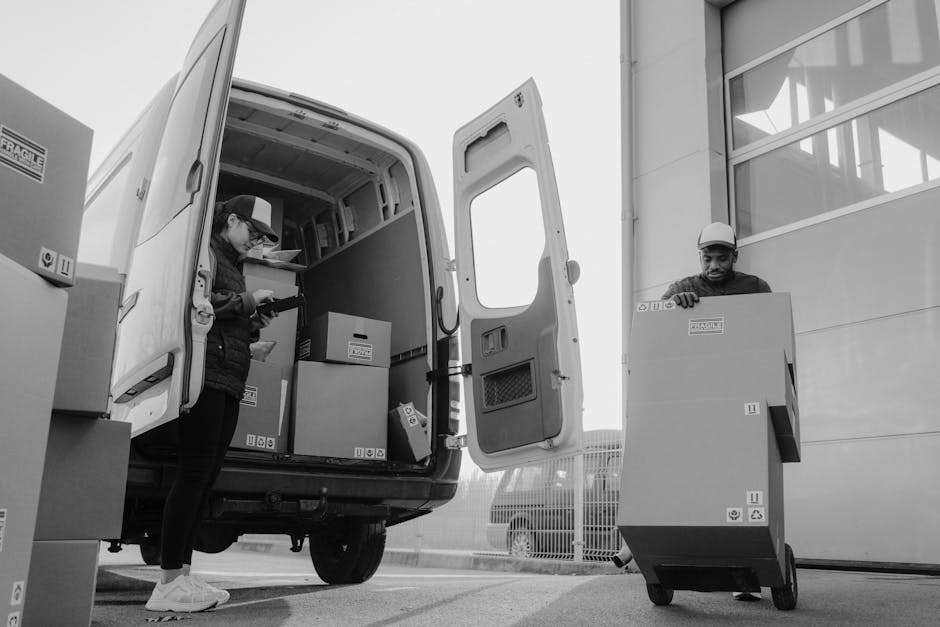
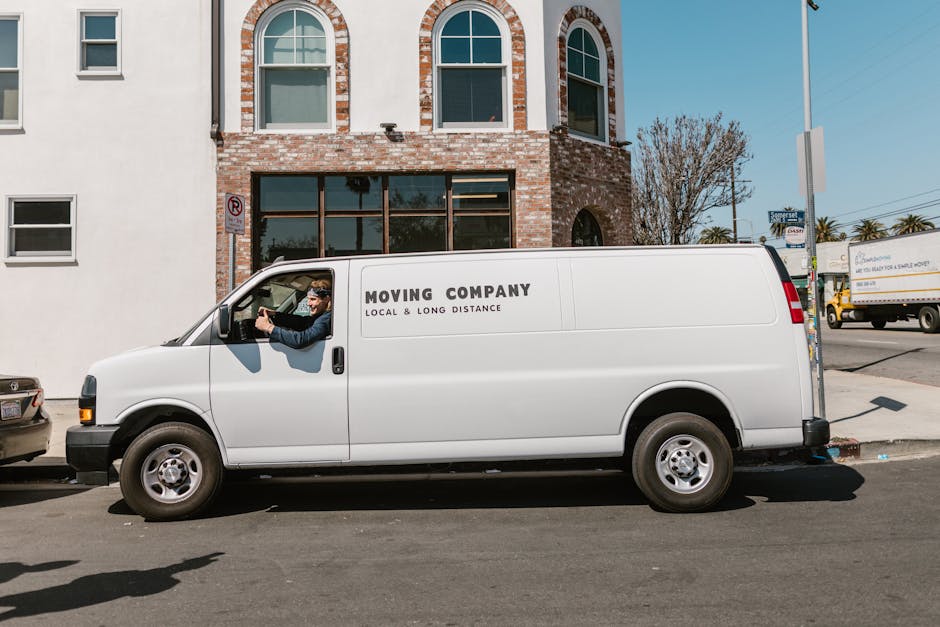
Pick the right van for SE18 moves: Size guide
If you are planning a move in SE18, choosing the van first can save you a surprising amount of stress. Too small, and you are making two trips while the clock ticks. Too big, and you may pay for space you never needed. The trick is to match the van to the move, not the other way around. This Pick the right van for SE18 moves: Size guide walks you through the practical bits in plain English, so you can make a sensible choice for flats, family homes, furniture runs, and everything in between.
Woolwich and the wider SE18 area can be a bit of a mixed bag: tight residential streets, apartment blocks, lift access that is sometimes helpful and sometimes not, and parking that needs a little planning. Truth be told, a good van decision often matters more than people expect. Below, you will find a clear size guide, real-world examples, a comparison table, and a checklist you can use before booking. No fluff. Just the stuff that helps on moving day.
Table of Contents
- Why the right van size matters in SE18
- How van sizing for a move actually works
- Key benefits and practical advantages
- Who this is for and when it makes sense
- Step-by-step guidance
- Expert tips for better results
- Common mistakes to avoid
- Tools, resources and recommendations
- Law, compliance, standards, or best practice
- Options, methods, or comparison table
- Case study or real-world example
- Practical checklist
- Conclusion
- Frequently Asked Questions
Why Pick the right van for SE18 moves: Size guide Matters
Choosing the right van size is one of those moving decisions that feels small right up until it causes a problem. Then it feels very large indeed. In SE18, where many moves involve compact streets, flats, maisonettes, and a fair bit of carrying furniture up and down stairs, van size affects almost everything: cost, speed, loading time, and how easy the day feels.
Get the size wrong and you can run into avoidable headaches. A van that is too small may force multiple journeys, which can be awkward if you are moving on a weekend, working around lift bookings, or trying to finish before evening traffic builds. A van that is too large can be harder to park and manoeuvre, especially around busier parts of Woolwich. That is a real consideration, not just theory.
There is also the simple question of fit. A sofa may technically go into a van, but if it has to be tilted awkwardly or squeezed around boxes, the risk of damage goes up. We have all seen that moment where someone looks at a wardrobe and says, "It'll be fine," only for it to become a whole afternoon. So yes, sizing matters. More than most people think.
For local moves, it also helps to think about access. Some SE18 properties have short loading windows, restricted parking, or stairwells that narrow at the worst possible angle. The right van can reduce the number of lifts, the number of hand-carries, and the chance of standing on the pavement wondering where to put a sideboard while traffic queues behind you. Not ideal.
How Pick the right van for SE18 moves: Size guide Works
The basic idea is simple: match the van to the volume, shape, and weight of what you need to move. But "volume" is the part people often underestimate. A move is not just about how many items you have. It is about how bulky they are, whether they can be stacked safely, and whether the van needs space for awkward pieces like wardrobes, mattresses, or office chairs.
Think of it in three layers:
- Volume: How much overall space your belongings take up.
- Shape: Whether the items stack neatly or need awkward angles and padding.
- Access: How easy it is to load from your property and unload at the destination.
If you have lots of boxes and small furniture, a medium van may be enough. If you have a few large items, you might need a long wheelbase van even if the total number of items looks modest. That is the little trap. Fewer items does not always mean a smaller van.
In practice, many moving decisions come down to whether you want one tidy trip or a more flexible load. A man with van service is often a good fit for smaller household moves, student moves, furniture collection, and short-notice jobs. Larger moves may call for a more spacious option such as a moving van or even a moving truck if the job is bigger than it first appears.
The key is not to guess. Walk through the property, list the bulky items, and compare them against the van's usable load space. Usable load space matters more than headline size. That is the bit people miss.
Key Benefits and Practical Advantages
When you get van size right, the move becomes simpler in ways that are easy to underestimate until you have done it the wrong way once.
- Fewer trips: One well-packed van run is usually far less stressful than two rushed ones.
- Lower risk of damage: Items are less likely to shift when they fit properly.
- Better time control: A well-sized van helps you stick to your schedule.
- Less physical strain: Fewer repeated lifts means less fatigue.
- Cleaner cost control: You are less likely to pay for unnecessary extra time or additional journeys.
- Better access planning: A van suited to the street and property is easier to load without drama.
There is also a quieter benefit: peace of mind. A move already has enough moving parts, if you will pardon the phrase. When the vehicle is right, one big unknown drops away. You notice it most on the day itself, when the first load goes smoothly and the space is there exactly as expected. That feeling matters.
For business moves in SE18, size accuracy can be even more important. Office furniture, filing, stock, and equipment often have uneven shapes and need careful stowage. If you are considering a commercial move, the broader planning principles are the same, though the packing and sequencing usually need more structure. A well-planned commercial moves service can help avoid unnecessary downtime.
Who This Is For and When It Makes Sense
This size guide is useful for anyone moving within SE18 or from SE18 to somewhere nearby, but some situations stand out more than others.
Good fit for:
- Tenants moving from a studio or one-bedroom flat
- Families moving a partial load or a full household in stages
- People collecting bulky furniture from shops, storage, or relatives
- Students or sharers moving a modest number of boxes
- Small businesses relocating stock, desks, or archive items
- Anyone who wants to avoid hiring a van that is either far too small or wildly oversized
It also makes sense if you have limited parking access, tight stairwells, or a strict moving window. In those cases, choosing the correct van can make the whole operation less frantic. If you are moving out of a flat in Woolwich town centre, for example, every extra minute of loading matters. You do not want to be halfway through when you realise the wardrobe should have been the first thing in, not the last.
On the other hand, if you are moving a full multi-bedroom home, a single small van can become false economy. Better to be realistic from the start. There is no prize for underestimating your own furniture, sadly.
Step-by-Step Guidance
Here is a practical way to work out the right van size without overcomplicating it.
- Make a room-by-room list. Start with the obvious large pieces: bed frames, wardrobes, sofas, tables, white goods, and any heavy office furniture.
- Count the boxes, but do not stop there. Boxes are easy to stack, but their total volume can climb quickly. Ten medium boxes is not nothing.
- Measure awkward items. If the item is long, wide, or tall in a way that makes carrying difficult, note the dimensions. A tape measure is boring but useful.
- Think about access at both ends. Are there stairs? A lift? Parking close to the door? A narrow hallway? These details affect loading more than people expect.
- Decide whether one trip is realistic. If your items barely fit when imagined on paper, the van is probably too small.
- Leave room for padding and safe stacking. A van packed to the roof on paper can still be awkward in real life if items need protection.
- Check whether you need help loading. A helper, or a man and van option, can make a medium-sized van feel much more capable.
One simple trick: lay out what you are moving in the room first. Seeing everything together gives you a more honest picture than trying to remember it all in your head. In our experience, the "small move" suddenly looks less small once the mattress, chest of drawers, and three bulging boxes are standing together in daylight.
If you are still unsure, compare your load with a typical service fit. A removal van is usually a more flexible choice for household moves than a tiny van, while a removal truck hire option is better suited to larger or more complex loads. The aim is not to choose the biggest vehicle available. It is to choose the one that makes the move clean and manageable.
Expert Tips for Better Results
Small adjustments make a big difference. That is especially true in SE18, where access can be a bit more constrained than people expect.
- Prioritise the biggest pieces first. Load sofas, mattresses, wardrobes, and appliances before boxes. Boxes fill the awkward gaps later.
- Use the van floor efficiently. Flat items often fit best along the base rather than stacked on top of each other.
- Protect corners and edges. A little padding prevents scuffs, and scuffs have a knack for showing up exactly when you least want them.
- Keep essentials separate. Documents, chargers, keys, kettle, and toiletries should not disappear under a pile of cushions.
- Leave a little breathing space. A packed van needs some room for tie-downs and safe movement of items.
- Plan around the street, not just the van. A technically perfect van is still a poor choice if it cannot park safely near the property.
A useful rule of thumb is to think like a Tetris player, but with more back care and less optimism. That is, fit shape before force. If something needs forcing, the size is probably wrong.
If you are moving a particularly awkward item, such as a piano, it is worth taking special care. These are not normal "one more thing in the van" jobs. They need a proper plan, the right handling approach, and sometimes specialist assistance. For more context, a dedicated piano moving guide can help you understand why the ordinary approach is not enough.
Common Mistakes to Avoid
Most van-sizing problems come from a few predictable mistakes. Avoid these and you are already ahead.
- Guessing by item count alone. Three bulky items can take more space than twenty small boxes.
- Ignoring access issues. Tight stairs or a long carry can change the whole job.
- Choosing the cheapest option without checking fit. Cheap is not cheap if it forces extra trips.
- Forgetting about disassembly. Beds, tables, and wardrobes may need to be taken apart before loading.
- Underestimating fragile items. Fragile goods need protective space, not just raw capacity.
- Assuming every van has the same load shape. Length, width, and height all matter, and they matter differently.
Another common slip is forgetting what else is going in the van. A move is rarely just furniture. There are usually lamps, coat rails, pictures, boxes of books, maybe a child's bike, maybe two. Suddenly the van that looked "basically fine" is not fine at all.
And to be fair, that mistake is easy to make. Most of us only move occasionally. You are not supposed to be a van-sizing expert. That is why a sensible checklist helps.
Tools, Resources and Recommendations
You do not need specialist software to choose the right van, but a few simple tools make the process smoother.
- Tape measure: Use it for large furniture and awkward items.
- Notebook or notes app: Keep a room-by-room inventory.
- Camera phone: Quick photos help you remember what needs to fit.
- Boxes or packing crates: Standardised boxes make loading easier than mismatched bags.
- Labels: Mark fragile, heavy, and priority boxes clearly.
On the service side, it can help to compare your move type with the provider's broader options. If you only need a few pieces moved, a furniture pick up might be more appropriate than a full household service. If you need help with boxing and de-boxing, packing and unpacking services can reduce the pressure and make the load more predictable.
For pricing confidence, it is also worth looking at the provider's quote process. A transparent pricing and quotes page should help you understand what is included, what is optional, and what affects the final cost. That clarity matters. Nobody likes surprise fees after the van doors close.
Law, Compliance, Standards, or Best Practice
While van choice itself is not a legal puzzle, moving in SE18 does touch on practical compliance and local best practice. It is worth keeping a few points in mind.
First, parking and loading restrictions may apply depending on the street and time of day. In parts of Woolwich, planning the vehicle size around where it can safely stop is just as important as the load itself. A van that is too large for the access route can create delays, and delays can make the rest of the move harder.
Second, safety matters. Good manual handling, secure loading, and sensible weight distribution are basic expectations in any professional move. Heavy items should be loaded carefully, and fragile items should not be left loose to slide about. That is not overcautious. It is basic good practice.
Third, it is sensible to check insurance and safety information before booking. A reputable operator should be clear about how they handle belongings and what standards they work to. You can review an operator's insurance and safety information, and their broader health and safety policy, before you commit.
Finally, if you are clearing out items as part of the move, think about responsible disposal and reuse where possible. It is not only tidier; it is usually the more practical approach. A move is a good moment to be ruthless, gently. You do not need to take the broken chair with you out of habit.
Options, Methods, or Comparison Table
If you are deciding between van types, this simple comparison can help you match your move to the right vehicle. It is not an exact science, but it is a good starting point.
| Van option | Best for | Typical strengths | Watch out for |
|---|---|---|---|
| Small van | Few boxes, single items, light furniture | Easy to park, handy for quick local runs | Limited space for bulky furniture or stacked loads |
| Medium van | Studio or small flat moves, mixed boxes, moderate furniture | Good balance of capacity and manoeuvrability | Can feel tight if you have several large items |
| Long wheelbase van | One to two bedroom moves, larger furniture, awkward shapes | More usable load length, better for bulky items | Needs more care with parking and access |
| Large removal truck | Full house moves, office relocations, higher-volume jobs | Big capacity, fewer trips, more efficient for large loads | May be harder to position on tighter SE18 streets |
In real life, the best choice often sits one step above what feels necessary. Not always, but often. If your move is close to the limit for a medium van, a long wheelbase can make the day much calmer. Calm is worth something.
If your move involves a house rather than just a few items, you may want to look at a broader house removals option or compare it with removals services more generally. Larger home moves often benefit from a bit more capacity than people expect at first glance.
Case Study or Real-World Example
Here is a realistic SE18-style example. A couple moving from a one-bedroom flat near Woolwich needed to relocate a bed frame, mattress, two bedside tables, a small sofa, a dining table, six chairs, and around twenty boxes. At first glance, they assumed a small van would do because "it's just a one-bed."
Once they listed everything properly, the picture changed. The sofa was bulky, the dining table had a fixed top, and the mattress needed to lie flat. The stairwell at the flat was narrow, and the loading space outside was limited. A medium van with good load length was the safer choice. It meant one organised trip instead of a second run, and the move finished before the afternoon got messy.
The interesting bit was not that the van was bigger. It was that the van fit the move. That is the whole point. The couple also avoided a last-minute scramble for extra transport, which would have been awkward on a busy street and, honestly, a bit miserable.
For larger local moves, the same principle applies. A family moving from a three-bedroom house with garden furniture, white goods, and box-heavy storage would likely need something much more substantial, especially if they wanted to keep the day to one tidy schedule. The size guide is not about luxury. It is about matching capacity to reality.
Practical Checklist
Use this checklist before you book.
- Have you listed every large item room by room?
- Have you measured awkward furniture?
- Do you know whether anything needs dismantling?
- Have you checked for stairs, lifts, or narrow access at both addresses?
- Can the van park close enough to keep the carry short?
- Have you allowed space for padding and safe stacking?
- Do you need help with loading or unpacking?
- Have you compared the move size with the van category properly?
- Have you checked insurance and safety information?
- Have you thought about the route, timing, and any local parking considerations?
Quick takeaway: if the list looks even slightly tight on paper, do not squeeze it by hope alone. Give yourself a little margin. That small bit of breathing room is often what turns a stressful move into an ordinary one. And ordinary is lovely on moving day.
Conclusion
Picking the right van for an SE18 move is really about being honest with your load, your access, and your schedule. Once you stop guessing and start measuring properly, the whole job becomes easier to plan. You avoid wasted journeys, you reduce handling stress, and you give yourself a much better chance of a smooth move in Woolwich or anywhere else in SE18.
If you remember nothing else, remember this: size the van for the furniture you actually have, not the furniture you wish you had. A good fit makes the day calmer, safer, and far less expensive in the long run. That is the sort of practical decision that pays for itself in saved effort alone.
Get a free quote today and see how much you can save.
And if you are still deciding, that is fine too. Take one last look around the rooms, breathe for a second, and choose the van that lets you move without the scramble. It really can be that straightforward.
Frequently Asked Questions
What size van do I need for a one-bedroom flat move in SE18?
It depends on how much furniture you have, but many one-bedroom flat moves fit into a medium van or a long wheelbase van. If you have bulky items like a sofa bed, wardrobe, or large mattress, it is safer to move up a size rather than cutting it too fine.
How do I know if a small van is enough?
A small van is usually suitable for a few boxes, small furniture, or one-off collections. If you need to move a bed, sofa, dining set, or several large appliances, it may not be enough. The useful question is not "How many items?" but "How much space do they actually take?"
Is it cheaper to hire a smaller van?
Sometimes, yes. But if the van is too small, extra trips can wipe out the savings quickly. A slightly larger van can be better value if it means the move is completed in one run. Cheap is only cheap if it works.
What is the best van for moving furniture locally in Woolwich?
For local furniture moves, a medium van or long wheelbase van is often the most practical choice. It gives you enough space for bulky items while still being manageable on local streets and in tighter residential areas.
Should I choose a removal van or a man and van service?
If you are moving a smaller load, a man and van service can be a very sensible option. For larger household moves, a dedicated removal van or a bigger vehicle may be more appropriate. The right choice depends on volume, access, and how much help you want with loading.
What if my move includes a lot of boxes but not much furniture?
Boxes can still take up a surprising amount of room, especially if they are not all the same size. A van with good load space and stackability is important. Do not assume a box-only move is automatically small.
How much space should I leave in a van for padding?
Enough to protect fragile items and prevent shifting. There is no universal rule, but a van packed to absolute maximum with no room for safe loading is usually a warning sign. If you are forcing items in, the van is probably too small.
Do SE18 streets affect which van I should choose?
Yes, they can. Parking, road width, and access at both ends all matter. A van that is too large may be awkward to position, especially if you need to load close to the property entrance. Local access is part of the decision, not an afterthought.
Can I move a sofa and mattress in the same van?
Often yes, if the van size is right and the items are loaded in the correct order. Sofas and mattresses are both bulky, so a medium van may be tight and a long wheelbase van may be safer. Measure first if you can.
What should I ask before booking a van for my move?
Ask about van size, load space, whether help with loading is included, parking expectations, and insurance or safety information. If you are comparing services, pricing clarity matters too. A good provider should explain what is included without making you decode the answer.
Is it worth booking a bigger van just in case?
Sometimes yes, especially if your load is close to the limit. A little extra room can reduce stress and save time. The key is not to overdo it wildly; it is to give yourself a sensible margin so the move does not become a squeeze.
What is the biggest mistake people make when choosing a van?
The most common mistake is underestimating bulky items. People count boxes and forget that one wardrobe, one sofa, or one bed frame can dominate the load. That is where moves go sideways. A proper list usually fixes the problem before it starts.